Shipping fragile items always brings that sick feeling when something arrives broken. A chipped mug, a smashed jar, or a dented part can hit you in more than one way. You pay for replacements, you lose goodwill, and you spend extra time on returns and shipping. That time could have gone to other orders.
If you move products at any steady pace, even a small share of damage can grow fast. Those refunds pile up. Reviews turn sour. Your staff then spends hours dealing with issues instead of moving new sales.
The bright side is that breakage is not usually just about someone being careless. Often, the real problem starts with the packing. What you put around the item, and how you place it, matters a lot. This is why Paper Bubble Machine have become a solid option for companies that want better protection for fragile goods and less plastic waste.
Why Fragile Products Need a Different Packaging Approach
Not every item in a shipping box should be packed the same way. Fragile goods need padding that can take the hit, stop the item from sliding, and cover the empty gaps. In many cases, what damages the product is not only the fall. It is also the way the product moves during that fall.
That is the main job of this type of equipment. Rather than using loose packing paper or wrapping plastic, it turns flat kraft paper into a soft, grippy cushion right when it is needed. Businesses get more say over how much protection they add, and they do not have to store big amounts of ready-made packing material.
What Is a Paper Bubble Machine?
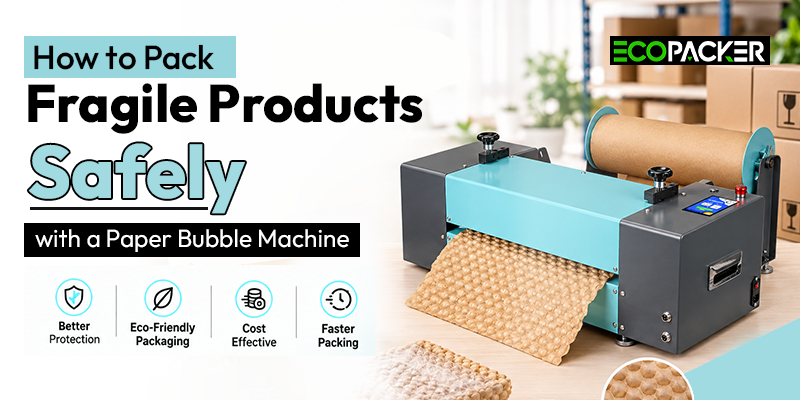
A paper bubble machine takes rolls of kraft paper and feeds them through a mechanism that presses, perforates, or textures the paper into a raised, cushioned pattern. The result looks and behaves similarly to plastic bubble wrap, but it’s fully paper-based recyclable, biodegradable, and free of plastic film.
Because the machine produces this cushioning on the spot, businesses only make what they need for each shipment. There’s no leftover plastic wrap taking up warehouse space, and no guesswork about how much material a batch of orders will require.
Best Packaging Practices for Fragile Products
Owning the right equipment is only half the equation. How the material is actually used inside the box determines whether a product survives transit undamaged. Here are the practices worth building into your packing process.
1. Match Cushioning Thickness to Product Fragility
Not every item needs the same amount of protection. A ceramic vase and a phone case don’t require identical cushioning, yet many businesses use a one-size-fits-all approach out of habit.
When running a paper bubble machine, adjust the output thickness and layering based on the product’s weight, shape, and material. Heavier, denser items generally need thicker cushioning layers underneath them, while lightweight but breakable items benefit more from wraparound cushioning that prevents shifting.
2. Wrap Individually Before Boxing
For genuinely fragile items like glassware, ceramics, and cosmetics in glass bottles, wrap each piece individually in the cushioned paper before placing it in the shipping box. This prevents products from knocking against each other, which is one of the most common causes of in-transit breakage when multiple items ship together.
3. Fill Every Void Completely
An item that can move inside its box is an item at risk. Even a small gap allows enough movement for repeated impacts during transit to cause damage.
Paper bubble wrap produced fresh from the machine is ideal for void filling because it can be shaped and packed into irregular gaps far more precisely than pre-made sheets. Fill corners, edges, and any remaining space until the product sits snugly with no room to shift.
4. Layer Bottom, Sides, and Top
A common mistake is cushioning only the base of the box and assuming that’s enough. Proper fragile-item packaging protects all six sides:
- A cushioned layer at the bottom to absorb drop impact
- Wrapped or padded sides to prevent lateral movement
- A top layer before sealing, so the lid or flap doesn’t press directly onto the product
This “sandwich” approach is one of the simplest ways to dramatically reduce damage claims, and it’s easy to standardize once your team has a consistent process.
5. Choose the Right Box Size
Cushioning can only do so much if the box itself is oversized. A box that’s too large gives products more room to shift regardless of how much paper cushioning is packed around them, while a box that’s too small compresses the cushioning and reduces its shock-absorbing effect.
Pair your paper cushioning output with correctly sized boxes for the best result: a snug fit with adequate cushioning consistently outperforms a loose fit with excess material.
6. Combine With Corner and Edge Protection
For particularly delicate or high-value fragile products, cushioned paper works even better alongside corner protectors or edge guards. Corners and edges typically take the hardest impact during handling, so reinforcing them specifically rather than relying on general cushioning alone adds an extra layer of security.
7. Test Your Packaging Before Scaling Up
Before rolling out a packaging method across your entire order volume, run a basic drop test on a sample package. Pack the item exactly as you plan to for real orders, then simulate the kind of handling it might face, from a drop from waist height to light shaking, to check for movement.
This small step catches weaknesses in your packing method before they turn into a stream of damage complaints from customers.
8. Train Your Packing Team Consistently
A great paper bubble machine will not fix it if people pack in different ways. Set one clear method for everyone. Decide how many layers to use. Tell where cushioning goes. Also say how tight the items should be packed. Then the output stays the same no matter who is at the packing station.
How Much Cushioning Is Actually Enough?
A common question teams run into is judging how much material is “enough” without over-packing every box. A simple guideline is the shake test: once packed, gently shake the sealed box near your ear. If you hear or feel the product shifting, more cushioning is needed. If the item stays firmly in place with no rattle or movement, the packing is likely sufficient.
It also helps to think in terms of layers rather than volume. Two or three properly placed layers bottom, sides, and top usually protect better than one thick, unevenly distributed layer of cushioning material.
Industries That Benefit Most From This Approach
While any business shipping breakable goods can use this method, a few categories see the most noticeable improvement in damage rates:
- Glassware and ceramics—highly sensitive to impact and prone to chipping without adequate cushioning
- Electronics and small appliances — need cushioning that also resists static and prevents internal component shifting
- Cosmetics in glass packaging — a growing category where paper-based cushioning also supports a brand’s sustainability image
- Handmade and artisanal products — often irregularly shaped, making moldable paper cushioning more effective than rigid inserts
9. Track Damage Data and Adjust
Packaging isn’t a one-time setup; it should evolve based on real shipping outcomes. Keep a simple log of damage complaints or returns linked to specific products, and use that data to identify which items need heavier cushioning or a different wrapping method. Over time, this turns your packing process into something that improves continuously rather than staying static.
Common Mistakes That Undo Good Packaging Practices
Even businesses using the right equipment sometimes fall into avoidable habits that reduce protection:
- Reusing crushed or flattened cushioning material instead of fresh output
- Overpacking a box so tightly that cushioning loses its shock-absorbing shape
- Ignoring product orientation, especially for items with a defined “fragile side”
- Skipping quality checks once a packing process has been running smoothly for a while
Addressing these small details is often what separates a packaging process that works occasionally from one that works consistently.
Sustainable Packaging Solutions as a Business Advantage
Choosing eco-friendly packaging isn’t just a compliance checkbox anymore; it’s becoming a genuine differentiator. As more consumers actively look for brands that avoid single-use plastic, businesses that switch to kraft paper cushioning are often able to highlight this shift in their marketing, order confirmations, and unboxing experience.
This is also relevant for businesses navigating India’s tightening rules around single-use plastics. Moving toward paper bubble wrap and other recyclable materials helps companies stay ahead of regulatory changes rather than scrambling to adapt once new restrictions take effect.
Why This Matters Beyond Just Reducing Breakage
Better packaging for fragile goods does more than stop items from getting hurt. It also shapes how people view a company. Many customers pay attention to what is used in the box. When they see paper materials that can be recycled, instead of plastic film, they may feel better about ordering again. They may also tell friends.
This approach lets a business protect shipments and still back sustainability. It does not usually force teams to redo their whole packing process. After the right method is set up, most staff can pack in about the same time as they did with plastic bubble wrap. The main change shows up later, after the package is opened and the materials are thrown away or reused.
Conclusion
Protecting fragile products during shipping comes down to a few consistent habits: matching cushioning to the product, filling every void, protecting all sides of the box, and testing before scaling up. A paper bubble machine makes these practices easier to execute, giving businesses on-demand cushioning without the storage burden or plastic waste that comes with traditional bubble wrap.
Ecopacker works with businesses looking to move toward practical, sustainable packaging solutions, including machines designed to produce paper-based cushioning for exactly these kinds of everyday packing needs. If reducing breakage while cutting down on plastic is on your radar, it’s worth exploring what a shift in packaging equipment could do for your shipping process.
Eco-Friendly Packaging
Interested in the Eco-Packer Machine?
Fill out our inquiry form and our team will get back to you within 24 hours.
