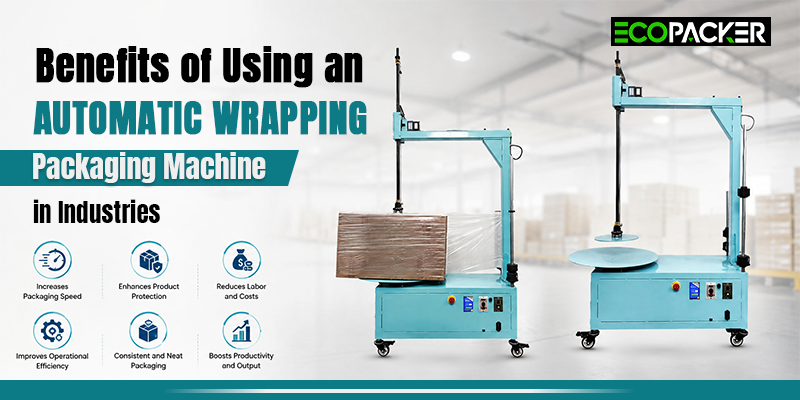
Efficient packaging is an important aspect of ensuring that goods are delivered to their destinations in a safe manner. The global industry is constantly searching for methods of boosting production process and minimizing wastage as well as labor costs involved. This is where the current packaging technology becomes an integral part of the business.
The Automatic Wrapping Packaging Machine is an increasingly vital component of the production process because of its efficiency, reliability, and effectiveness. Regardless of whether they are foodstuffs or industrial products, companies have adopted the use of these machines in order to enhance their overall operation process. The purpose of this blog is to illustrate their importance to various industries.
What Does an Automatic Wrapping Packaging Machine Do?
An automatic wrapping machine is basically a device that wraps items using film, plastic, or any other type of material without requiring continuous manual involvement. These devices perform the work which was earlier done manually, including folding, sealing, and securing the items. Some basic features of automatic wrapping machines include:
- Wrapping products of different shapes and sizes
- Sealing packages securely to prevent damage
- Adjusting wrap tightness based on product type
- Reducing the time spent on repetitive packaging tasks
These applications make it necessary for industries such as food manufacturing, pharmaceuticals, textiles, and logistics to depend on this machinery in order to conduct themselves smoothly during day-to-day business. As compared to hand wrapping, which is dependent on the proficiency of an individual laborer, automatic machinery is consistent since it follows a pre-programmed setting every time, making it easy for managers to plan production and estimate their material requirements.
Improved Speed and Production Efficiency
An important strength of the automated packing machine is the significant increase in speed. Wrapping manually is time consuming and reliant on labor that might not always be available to perform the task effectively. With automation, this issue becomes less of a problem.
- Products are wrapped continuously without breaks
- Machines can operate for long hours with minimal supervision
- Output remains consistent even during high-demand periods
- Production lines experience fewer delays
The above efficiencies allow businesses to provide their products at the right time, something that is essential in industries that have very stringent deadlines. In addition, the larger the orders, the harder it is to rely on human labor since the inefficiencies that arise from it cannot be managed without additional manpower. The automation of the packaging process means that higher demand doesn’t increase operational costs.
Consistency and Reduced Material Wastage
Manual packaging usually causes inconsistency in the way products are wrapped, which may lead to excess packaging or inadequate packaging. The Automatic Wrapping Packaging Machine solves this problem through ensuring consistent standards of packaging for all the units that are packaged.
- Consistent tension and coverage on each package
- Reduced chances of over-wrapping or under-wrapping
- Lower material wastage over time
- Better use of packaging film and other resources
Not only will this ensure a savings in terms of material expenses, but it will also make for better packaging visually speaking. This is important because retailers and distributors gauge the quality of a product based on its packaging as well.
Enhanced Product Safety and Protection
Unwrapped goods are prone to damages during handling, storage, and transportation processes. With the use of an automated wrapping machine, all the products will be wrapped in a proper manner; therefore, no damage will be caused to the products due to breakage, contamination, moisture, and dust contact.
- Tighter and more secure wrapping reduces movement during transit
- Protection from dust, moisture, and external damage
- Improved shelf life for sensitive products
- Fewer customer complaints related to damaged goods
When it comes to the industries handling delicate goods, this degree of protection becomes especially important in ensuring that the quality of the products remains intact from the warehouse to their final destination. The cost of return and replacement becomes significantly lower when the goods are not damaged during transportation or while being stored for a long time.
Supporting Sustainable Packaging Practices
Being a factor of great importance in today’s industrial world, sustainability is also applicable in the packaging industry, where there are some wrapping machines that use minimum amounts of material. In this case, the Ecopacker machine aims at optimizing film use. It reduces the amount of plastic used without reducing the wrapping strength.
- Reduced plastic and film consumption
- Lower packaging waste sent to landfills
- Support for eco-friendly business practices
- Alignment with evolving environmental regulations
As companies continue to adopt the idea of sustainability in their operations, the equipment designed to achieve this is a viable means of balancing efficiency and environmental protection. This is especially true of companies which export their products or those which have clients expecting them to make headway in the reduction of plastics and packaging waste.
Cost Savings and Labour Optimisation
Despite having a setup process, automation usually brings about savings in the long term for businesses. The automated packaging machine lessens the reliance of manual labor on performing wrapping activities. This enables them to attend to other duties.
- Lower long-term labour costs
- Reduced material wastage translates into cost savings
- Fewer errors mean less rework and material loss
- Workers can be reassigned to higher-value tasks
Over time, these savings contribute to better overall profitability, especially for industries that handle large volumes of packaging daily. Many businesses find that the equipment pays for itself within a reasonable period once reduced material usage, fewer errors, and improved output are taken into account together.
Conclusion
Modern wrapping machines have presented industries with a means through which to achieve faster speed, consistency, and the protection of the products being packaged while being environmentally friendly. Considering the growing nature of the production process, manual packaging is not an efficient solution for firms that aim to stay productive and competitive. Several benefits arise from adopting automation in the process of packaging different industries such as food, pharmaceutical, textiles, and logistics industry, among others. These benefits include the reduction of wastage of materials and efficiency of labor, among others.
Frequently Asked Questions
Industries such as food processing, pharmaceuticals, textiles, logistics, and manufacturing commonly use this type of equipment to streamline their packaging processes.
Yes, most modern machines are designed to handle a variety of shapes and sizes, making them suitable for diverse product ranges.
It maintains consistent wrap tension and coverage, which minimises over-wrapping and ensures more efficient use of packaging material.
Such equipment is designed with a focus on optimising film usage, helping reduce plastic consumption while still providing secure packaging.
Yes, this kind of Wrapping machines come in varied capacities, sizes, and prices, which make them ideal for use in both small-scale industries and large-scale factories. Today, most producers provide mini-wrappers designed to serve expanding industries which are still unable to afford big factory equipment.
Eco-Friendly Packaging
Interested in the Eco-Packer Machine?
Fill out our inquiry form and our team will get back to you within 24 hours.
