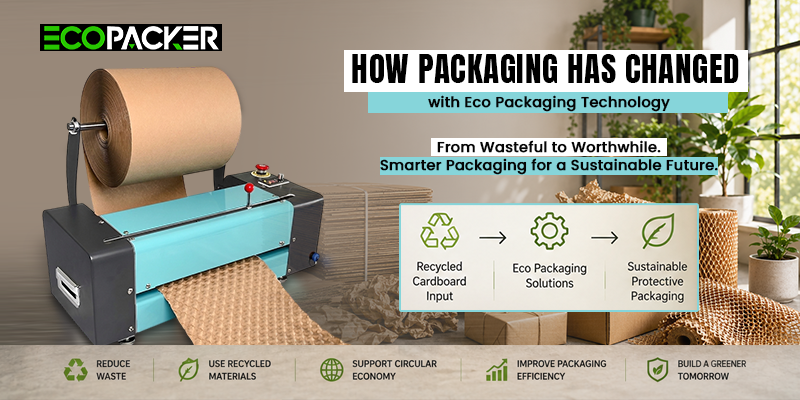
Packaging has always been known to be important because packaging guarantees that the products will be protected during storage and transport. Earlier, the products were packed in plastic or foam as well as other such materials because of the low cost and strength of those materials to be used for packaging purposes. With increasing environmental pollution and problems related to it, people have altered their attitude towards packaging as far as companies are concerned. Companies have paid attention to these changes and understood that the customers do not buy products of companies that harm the environment. Nowadays, Eco packaging is becoming one of the crucial elements of manufacturing and retail. While companies used to care about the visual presentation and protection of the product, nowadays they consider such aspects as recycling of the material, alternative options of packaging, and effective technology of production. Thus, innovations in this field can help to decrease pollution, save natural resources, make customers happier, and build a positive image of the company.
The Evolution of Packaging Technology
A lot of transformations have taken place in the packaging sector in the past years. The old packages consisted of plastic, Styrofoam, and multilayer packages, which were difficult to recycle. Although these were excellent in protecting the contents inside them, they caused environmental degradation because they remained in landfills and oceans for many years.
In view of increasing concerns over global warming and pollution, a change in the approach of government, organizations, and customers towards packaging occurred. They realized that apart from protecting the goods, the packaging should also be environmentally friendly.
Several major developments have shaped this transformation:
- Increased use of recyclable paper and cardboard.
- Introduction of biodegradable and compostable materials.
- Lightweight packaging that reduces transportation emissions.
- Water-based and soy-based printing inks.
- Reduced material consumption through smarter package design.
- Better recycling compatibility across different packaging formats.
These changes have greatly influenced the process of production and have been helpful to the organizations in minimizing wastage and increasing efficiency. Rather than viewing sustainability as a cost, most companies view environmentally sustainable packaging as an investment.
How Technology Has Revolutionized Modern Packaging
Technology is at the heart of innovations in current packaging. With the help of advanced studies and research, several new material solutions have been discovered that are sourced from sustainable resources, including bamboo, corn starch, sugarcane fiber, mushroom-based solutions, and even agricultural waste products. The new packaging materials offer high protection and lower negative impact on the environment during disposal.
Another innovative trend that manufacturers implement is the use of automated technology systems for accurate manufacturing without extra waste.
Important technological advancements include:
- Automated material cutting with minimal waste.
- AI-based quality inspection systems.
- Precision digital printing.
- Energy-efficient manufacturing equipment.
- Smart inventory management.
- Automated packaging lines that improve productivity.
Such inventions have made it possible for companies to create high-quality packaging at lower production costs and less carbon footprint. Additionally, such inventions promote sustainable packaging through waste reduction during the production process.
Another crucial invention in the field is the creation of smart packaging. Such packages come with QR codes and RFID technology among others that give information on how to recycle products and their authenticity.
Benefits of Environmentally Responsible Packaging
Various companies in various fields have found great benefits in using environmentally friendly packaging techniques. In addition to environmental conservation, proper packaging will help businesses operate efficiently and build strong customer relationships.
Some of the biggest business benefits include:
- Lower raw material consumption.
- Reduced shipping costs because of lightweight packaging.
- Better compliance with environmental regulations.
- Stronger brand image.
- Increased customer trust.
- Improved operational efficiency.
- Reduced manufacturing waste.
The other reason why sustainable packaging benefits consumers is that the material used is safe and it does not create much waste in the homes of the consumers; besides, it can be recycled. As it stands, there are plenty of people who prefer products from companies that are eco-friendly.
Moreover, those companies that have chosen sustainable packaging realize that they have become efficient in their operations and have minimized the amount of waste produced. Therefore, the cost of doing business is lowered in the long run even though it may appear costly at first.
Environmentally responsible packaging helps to adopt the concept of circular economy.
The Future of Packaging Technology
The future of packaging is centered on innovation, automation, and sustainability. Researchers continue developing new materials capable of replacing conventional plastics while maintaining strength, flexibility, and product protection.
Emerging innovations include:
- Seaweed-based packaging materials.
- Mushroom-derived protective packaging.
- Edible food packaging.
- Compostable flexible films.
- Reusable transport containers.
- Plant-based bioplastics.
- Water-soluble packaging materials.
These machines in modern eco packaging are bound to become even more efficient in terms of speed, accuracy, and energy consumption. With the help of artificial intelligence, production lines will be optimized through pinpointing waste of materials, minimizing downtime, and increasing manufacturing accuracy.
One other trend includes personalized packaging created using digital printing technology. Firms will be able to design their own products and avoid wastage, which makes it economically viable for them.
Moreover, governments all over the world have been increasingly setting environmental legislation standards. For this reason, firms that decide on utilizing Eco Packaging today will be well equipped for the future legislation and demands of customers.
The adoption of such packaging will stimulate cooperation between the manufacturer, retailer, recycler, and consumer.
Challenges and Opportunities
Although significant progress has been achieved, several challenges remain before environmentally responsible packaging becomes universal.
Current challenges include:
- Higher costs for some biodegradable materials.
- Limited recycling infrastructure in certain regions.
- Consumer confusion regarding proper disposal methods.
- Availability of renewable raw materials.
- Investment required for upgrading manufacturing facilities.
Notwithstanding all these obstacles, opportunities still exist. Ongoing research efforts, government-sponsored rewards, developments in technology, and increasing consumer consciousness have been aiding in driving the trend towards eco-friendly packaging in various businesses around the globe.
Organizations that use Eco Packaging do not only contribute to environmental protection but strengthen their competitive edge in fulfilling consumer demands.
In addition, the rising demands for eco-friendly packaging motivate firms to innovate in order to utilize better raw materials, production techniques, and logistics. As technologies keep on advancing, sustainable packaging will become easier and cheaper to achieve.
Conclusion
From serving as just a protective wrapper, packaging has now become a key component in the development of sustainable corporate strategy. The use of current technology in manufacturing has enabled us to incorporate such elements as recyclable material, renewable energy, smart automation, and efficient manufacturing processes. All this helps in minimizing waste generation, reducing carbon footprints, increasing efficiencies, and providing a better experience for the customer.
In view of the growing trend of innovations in different sectors, environmental packaging will probably become the rule and not the exception in the days to come. Businesses that integrate sustainable packaging technology into their systems will have an upper hand in the future.
FAQs
1. What is Eco Packaging?
Eco Packaging refers to packaging made using environmentally responsible materials and processes that reduce waste and minimize environmental impact while protecting products effectively.
2. Why is sustainable packaging becoming more important?
It helps reduce pollution, conserve natural resources, lower carbon emissions, and supports long-term environmental sustainability while meeting growing consumer expectations.
3. How does an eco packaging machine improve manufacturing?
It reduces material waste, increases production efficiency, improves packaging accuracy, lowers energy consumption, and supports environmentally responsible manufacturing practices.
4. Which industries benefit the most from eco packaging solutions?
Food, beverages, cosmetics, healthcare, pharmaceuticals, retail, e-commerce, and electronics industries all benefit from environmentally responsible packaging technologies.
5. Is eco-friendly packaging more expensive than traditional packaging?
While initial costs may sometimes be higher, improved efficiency, reduced waste, lower transportation costs, and stronger customer trust often make it a cost-effective long-term investment.
Eco-Friendly Packaging
Interested in the Eco-Packer Machine?
Fill out our inquiry form and our team will get back to you within 24 hours.
