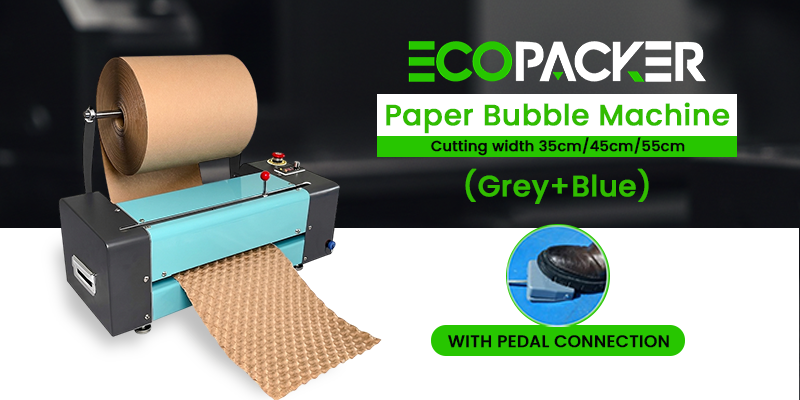
Many firms are minimizing the use of plastic materials and the packaging industry is increasingly adopting sustainable solutions. One of such solutions that have emerged is Honeycomb Packaging made from recycled cardboard and provides a durable and protective cushioning. Why would one discard their cardboard? The recycling technology today transforms the discarded cardboard into useful packaging material. It saves our planet. An Eco-Packer machine converts the waste cardboard into a pliable honeycomb that provides better protection while shipping. Let us examine the transformation of waste cardboard to protective packaging, its major advantages, and the reasons why businesses seek for a sustainable paper-based solution in this article.
Understanding the Growing Challenge of Cardboard Waste
Paperboard is one of the widely used packaging materials in various sectors like e-commerce, manufacturing, retailing, electronics, and logistics. Millions of paperboard containers are wasted on being used just once daily.
If paperboards are not recycled effectively, there arise numerous environmental problems such as:
-
- Excess landfill waste
-
- Increased need for virgin papers
-
- Natural resource wastage
-
- Higher energy requirement in production process
-
- Emission of carbon gases
Effective recycling of paperboards can solve all these problems and yield useful items to be reused within the packaging value chain.
What Is Honeycomb Packaging?
Honeycomb Packaging is a type of protective packaging product created from paper or recycled cardboard in a honeycomb-shaped design. This product can be stretched into cushion pockets, which absorb shock to ensure safety for the contents being transported.
This kind of design provides strength but needs less material compared to traditional designs used for packaging. Therefore, it is a practical and environmentally friendly method of packaging delicate and expensive products.
Applications include:
-
- Glassware packing
-
- Electronic devices packaging
-
- Packing of furniture
-
- Makeup products packaging
-
- Online shopping deliveries
-
- Industrial parts packaging
-
- Gifts packaging
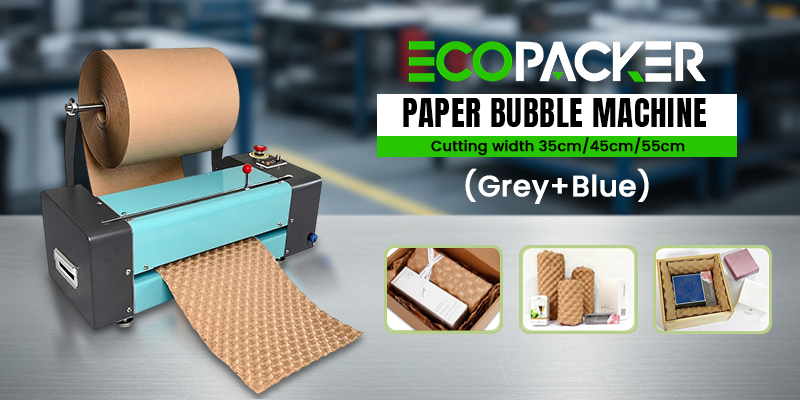
How an Eco-Packer Machine Transforms Waste Cardboard
There are many processes involved in making waste cardboard into useful protective packaging material.
1. Collection of Cardboard
To begin the process, used cardboard needs to be collected from warehouses, factories, shops, and other distribution centers. This means that, rather than getting thrown away, the cardboard gets sorted out and recycled.
Contaminants like plastic tape, labeling, and any non-cardboard elements are removed from the cardboard.
2. Putting the Cardboard through the Machine
The next step is to put the cardboard sheets into an Eco-Packer machine. Such machines are designed to work specifically with cardboard and recycle it.
Special cutting technology cuts into the cardboard sheets but does not affect their strength.
3. Production of Honeycomb Structure
Using the machine, the material is cut and expanded to create a flexible honeycomb structure. This improves the cushioning properties of the material and makes it possible to cover any product regardless of its size and shape.
As a result, Honeycomb Packaging offers efficient shock absorption, yet is still light.
4. Preparation of Packaging Materials for Usage
Once prepared, the expanded cardboard can be used right away for packaging purposes. It can act as:
-
- Void fill material
-
- Wrapping material
-
- Product cushioning
-
- Surface protection
-
- Shipping protection
This gives companies an opportunity to transform their waste into useful packaging materials.
Key Features of Eco-Packer Machine Technology
Some of the major benefits provided by modern cardboard recycling and processing systems include the following:
Key Features:
-
- Conversion of waste cardboard into packaging material
-
- Decreased waste packaging generation
-
- Facilitation of recycling programs
-
- Generation of a flexible cushioning material
Applicable to different sized products
-
- Decrease in use of plastic packaging
-
- Ease in combining with packaging process
-
- Creation of protective and cushioning layers
-
- Advantages of Cardboard Recycling for Packaging Use
-
- Decrease in Quantity of Waste Placed into Landfills
The use of waste cardboard reduces the amount of waste placed into landfills since the waste will be reused, thus prolonging the lifespan of landfills as well as lowering costs involved in dumping waste.
Decrease in Use of Resources
Use of recycled cardboard in making packing materials will help reduce the demand for paper, hence saving natural resources like wood.
Low Carbon Emission
Cardboard recycling and reuse involves less energy use than making new packaging products, hence reducing carbon gas emissions.
Helps in the Concept of the Circular Economy
The circular economy model ensures that materials stay in use for longer.
Better Than Conventional Protection Packaging Material
Most companies are now using sustainable paper packaging instead of the traditional methods of protection.
Differences Between Recycled Honeycomb Solutions and Traditional Packaging
| Feature | Recycled Honeycomb Solution | Traditional Plastic-Based Packaging |
| Raw Material | Recycled cardboard | Plastic or foam |
| Recyclability | Highly recyclable | Often difficult to recycle |
| Environmental Impact | Lower | Higher |
| Waste Reduction | Supports reuse | Creates additional waste |
| Resource Efficiency | High | Moderate |
| Biodegradability | Generally biodegradable | Usually non-biodegradable |
| Sustainability | Strong sustainability benefits | Limited sustainability benefits |
This makes Honeycomb Packaging an ideal choice for companies that are looking for environmentally sustainable ways to package.
Benefits of Sustainable Packaging for Industries
Many instances where protective packaging has used cardboard have occurred due to its versatility and environmental sustainability.
E-commerce Industry
Protective paper cushioning has been used in the e-commerce industry for products that require protection during transportation.
Electronic Industry
It has been observed that honeycomb cushioning has been widely used in electronic industry owing to the vulnerability of electronics to shock.
Furniture Industry
Furniture that needs protection during shipping is usually protected in cardboard waste-based protective packaging.
Consumer goods/Retail Industry
Retailers have been employing environmental-friendly packing in their products because of the growing consumer consciousness.
Logistics/ Warehousing Industry
Protective packaging in logistics/warehousing industry is made using cardboard waste.
Future of Waste Cardboard Recycling in Packaging
With changing trends of environmental regulations and sustainability gaining importance within organizations, there would be an increasing need for recycled packaging solutions.
The latest innovations within the realm of cardboard conversion enable firms to convert their waste material into useful packing items. The production of Honeycomb Packaging made out of waste cardboard is positive in many ways, both for the environment and the operations itself.
With the adoption of circular packing system, companies can achieve greater efficiency, reduce waste, and contribute towards sustainability.
Conclusion
Honeycomb Packaging provides a perfect example of how the application of innovative recycling technologies may enable the transformation of waste cardboard into a useful packaging solution. At Eco-Packer Machines, we convert your waste cardboard into light and durable cushioning packaging that is fully recycled.
Such innovation leads to a reduction in landfill waste and saves natural resources while minimizing its environmental footprint and encouraging sustainable packing systems.
Frequently Asked Questions (FAQs)
1. Define honeycomb packaging.
It is the kind of packaging that comprises honeycombed paper and is used to ensure safety for the items being transported.
2. How does an eco-packer work?
The machine works through trimming and expanding waste cardboard into the protective honeycomb cushioning.
3. Can waste cardboard be utilized for packaging again?
Absolutely, because used cardboard is recyclable through some specific machines and turned into protective packaging.
4. Where is honeycomb packaging widely applied?
It has been implemented extensively in the e-commerce, electronic, furniture, retail, manufacturing, and logistics industries.
5. Is honeycomb paper packaging eco-friendly?
It is highly eco-friendly, as it promotes the recycling process and uses more environmentally friendly paper-based packing rather than plastic packing.
Why EcoPacker Is a Smart Choice for Sustainable Packaging
Businesses looking for an efficient way to transform waste cardboard into protective packaging materials often choose EcoPacker. Designed to convert used cardboard into durable cushioning and void-fill packaging, EcoPacker helps reduce packaging costs while supporting sustainability goals. It enables companies to replace plastic-based materials with recyclable cardboard packaging, making shipping more environmentally friendly. Whether for eCommerce, logistics, manufacturing, or retail applications, EcoPacker offers a practical solution for creating eco-friendly protective packaging from waste cardboard.
